Real interventions delivered directly to communities — built for impact, measured by outcomes, and grounded in action.
Each initiative represents a response to a specific community need. These are not abstract programs — they are documented actions with visible outcomes and human impact.
Improving hygiene, safety, and environmental health across the community.
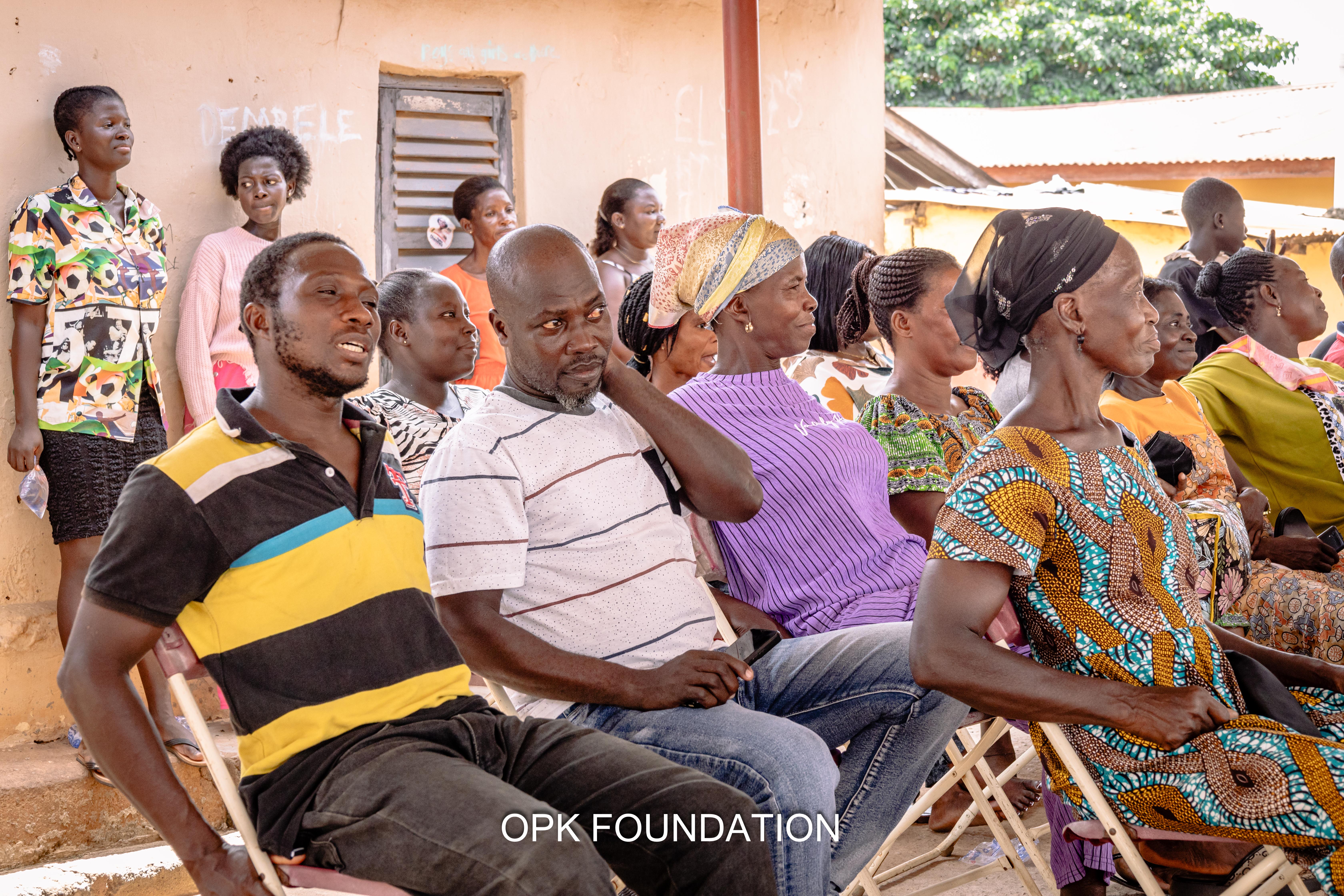
The Apeguso Community Sanitation and Infrastructure Support Initiative was implemented in response to growing concerns around environmental degradation, waste accumulation, and declining public hygiene standards in key communal zones. The intervention was structured as a coordinated, full-scale clean-up exercise targeting heavily affected public spaces, including walkways, markets, and residential spillover areas. The objective was not only to restore physical cleanliness but to re-establish a sense of environmental dignity and collective responsibility within the community.
Execution was driven through a multi-stakeholder approach involving volunteers, local youth groups, and community leadership structures. This collaborative model ensured strong local ownership and operational efficiency on the ground. Teams were deployed in organized clusters, each assigned specific zones to ensure coverage consistency and accountability. The exercise emphasized disciplined coordination, reflecting traditional community mobilization approaches where leadership, youth, and households collectively contribute to public welfare outcomes.
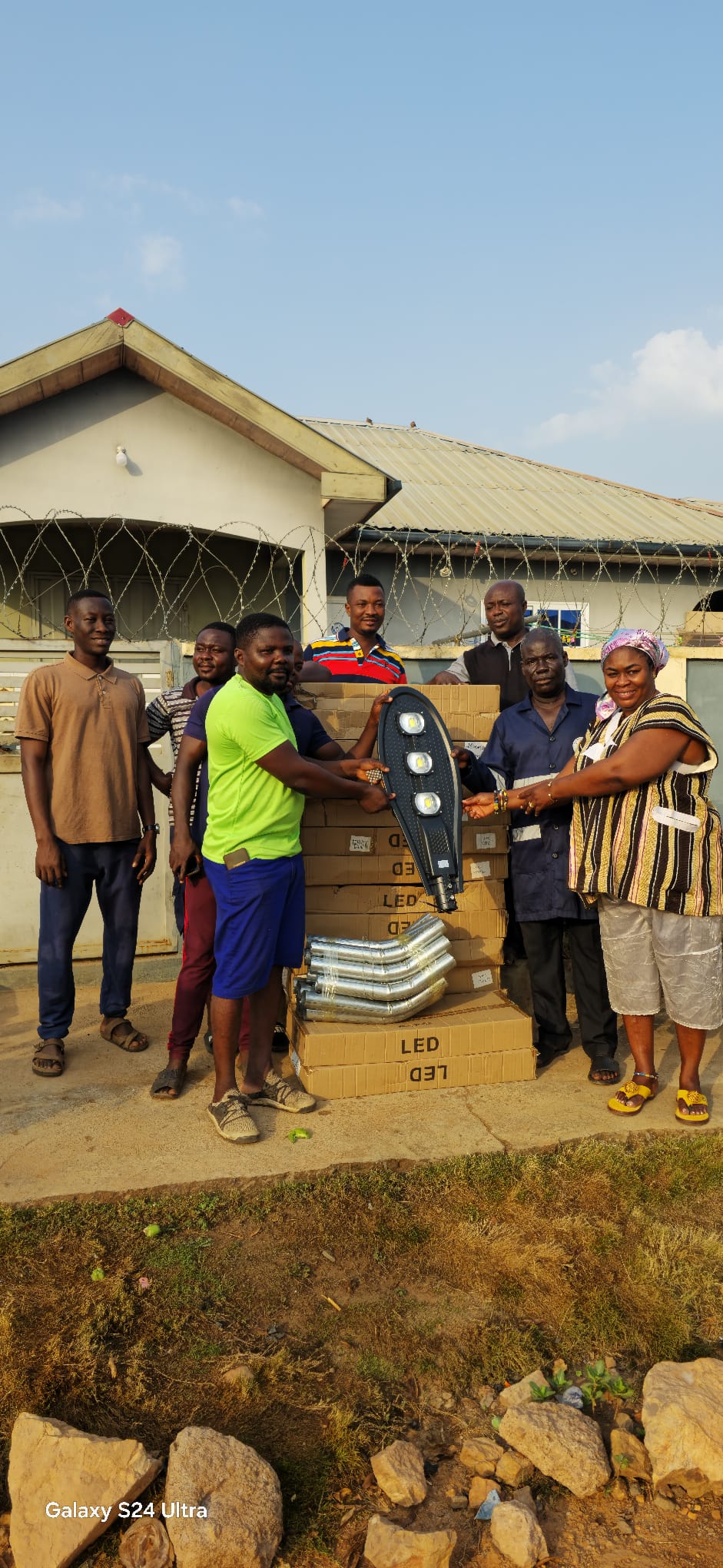
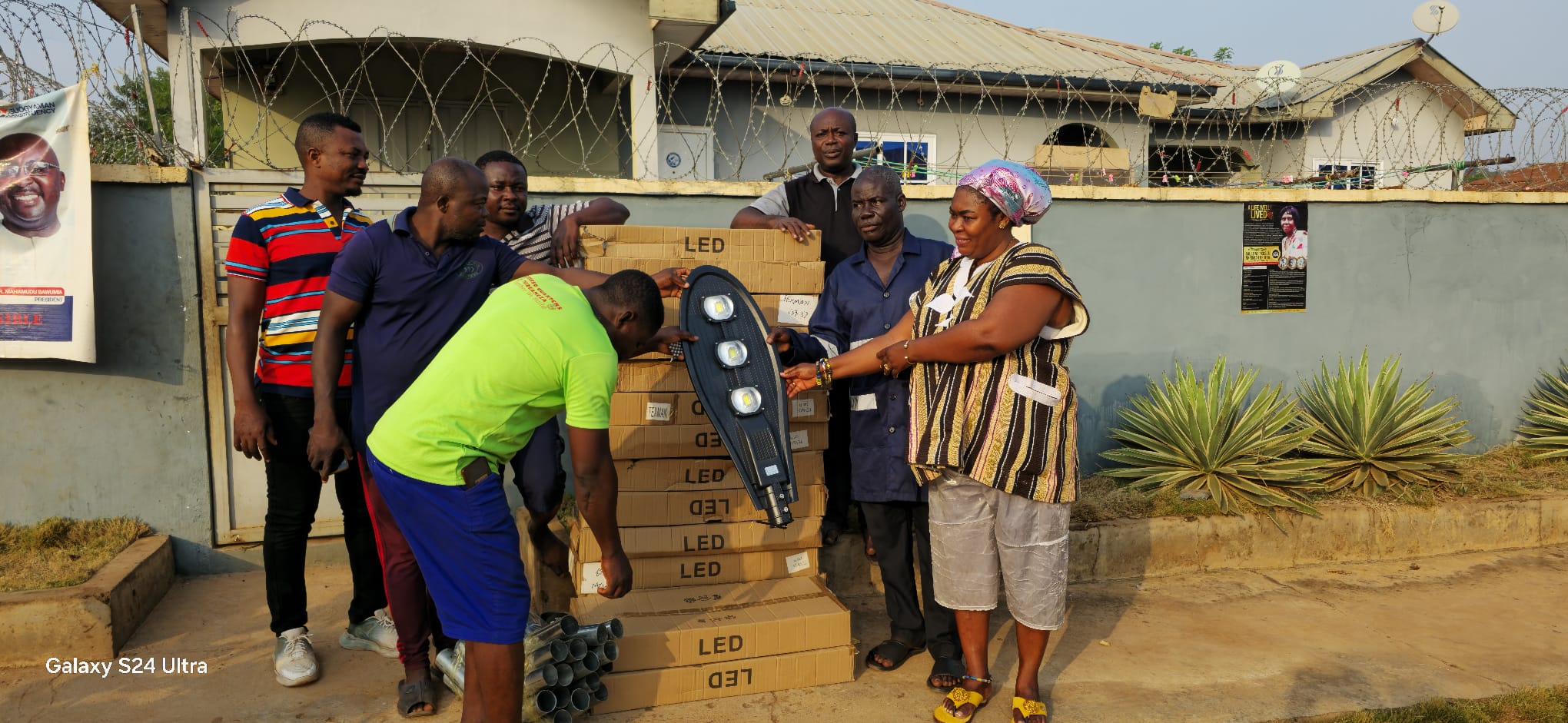
In parallel with the sanitation drive, the Foundation deployed 20 streetlights across strategic points within Apeguso. This intervention was designed to address nighttime insecurity, improve visibility, and reduce vulnerability in poorly lit areas. The lighting component served both practical and preventative functions, contributing to safer movement patterns after dark while reinforcing broader community safety infrastructure. The integration of sanitation and lighting reflected a dual-impact approach: environmental restoration alongside structural safety improvement.
To reinforce behavioral change, an awareness and education campaign was conducted alongside the physical interventions. Residents were engaged on sustainable waste management practices, hygiene discipline, and long-term environmental stewardship. Educational messaging was delivered in accessible community formats to ensure comprehension and adoption. Participants involved in the exercise were also provided with food items and refreshments during the activity, supporting sustained participation and acknowledging their contribution. Collectively, the initiative delivered immediate environmental improvement while laying the groundwork for longer-term civic responsibility and community-led upkeep systems.
Empowering women through practical skills and economic independence.
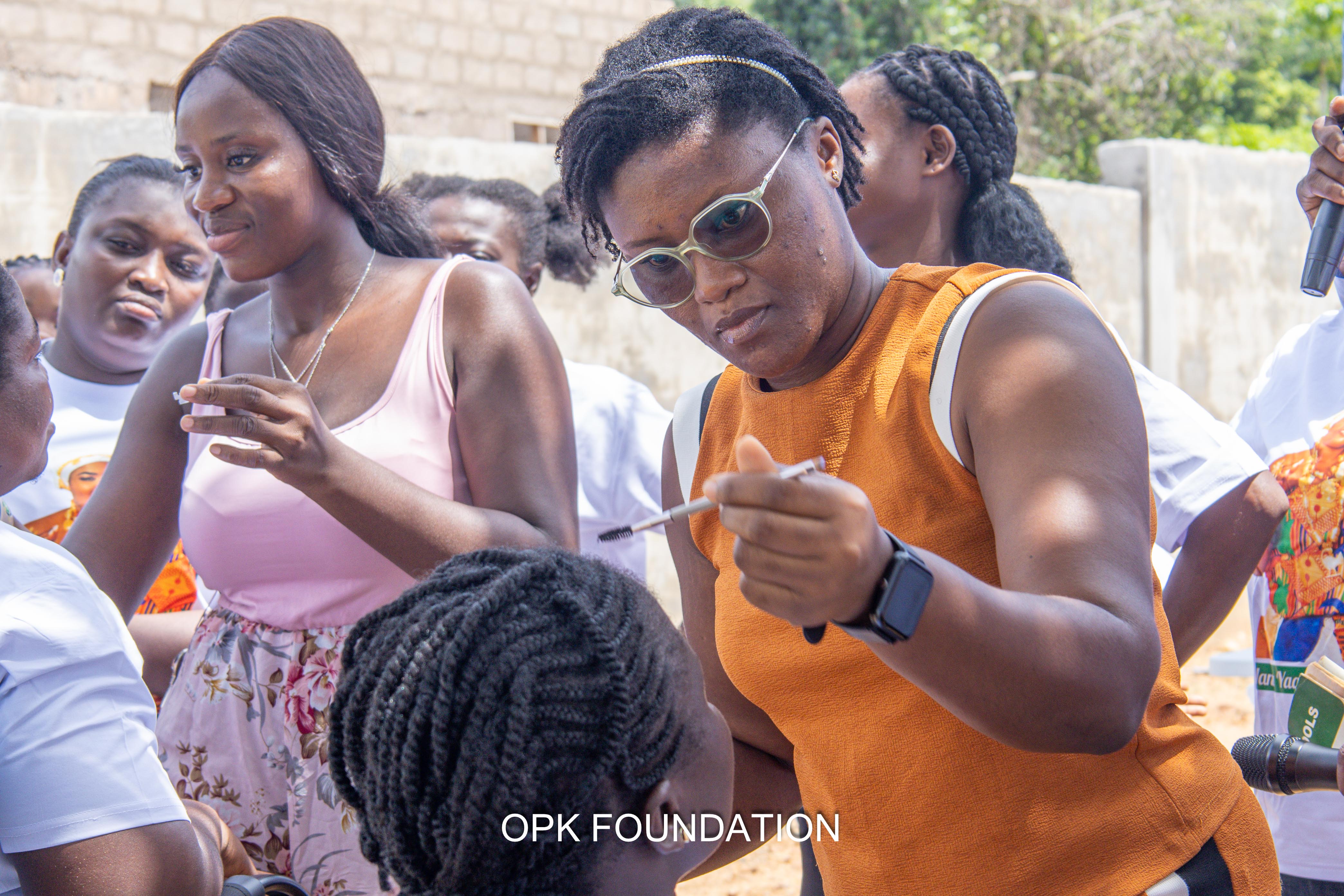
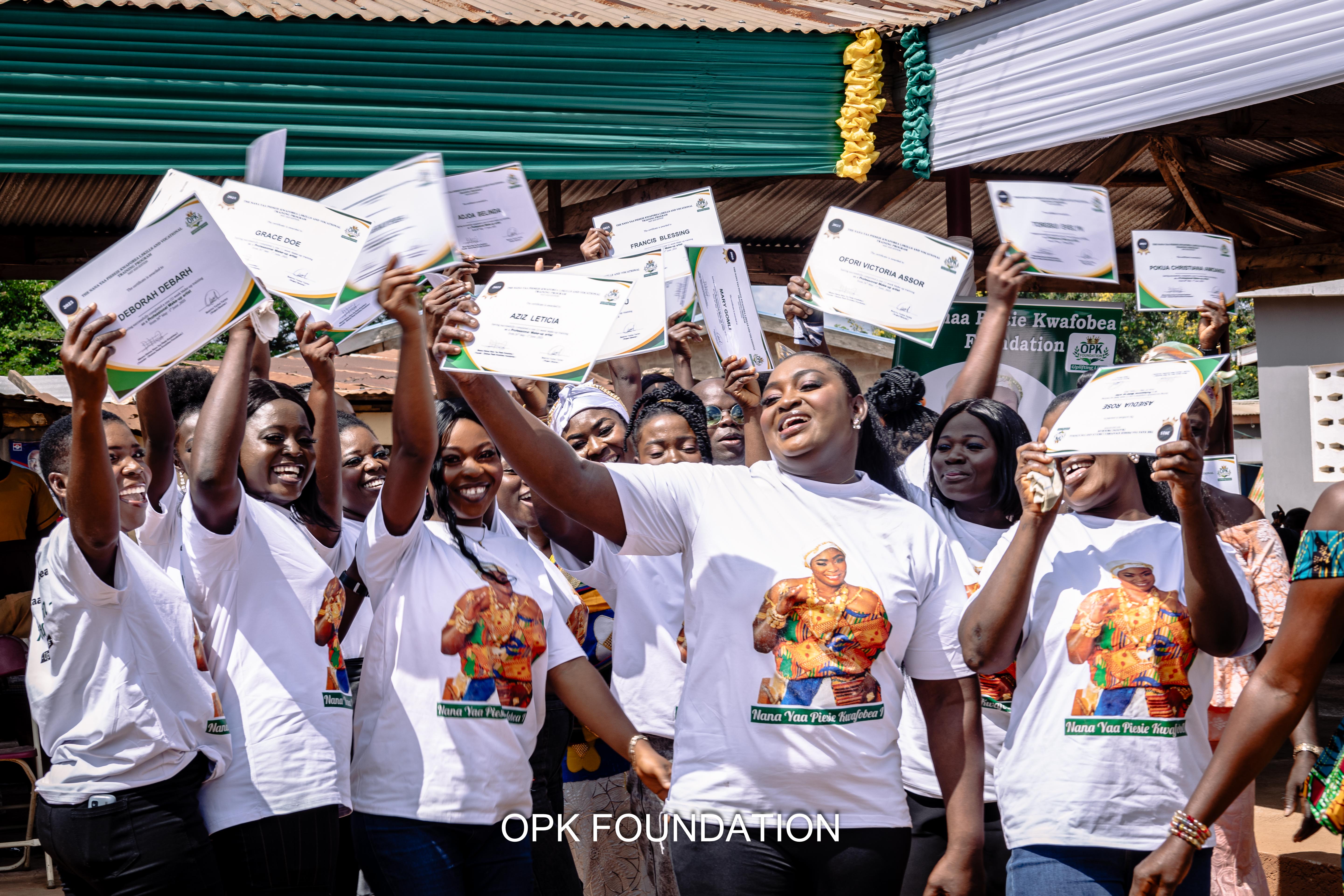
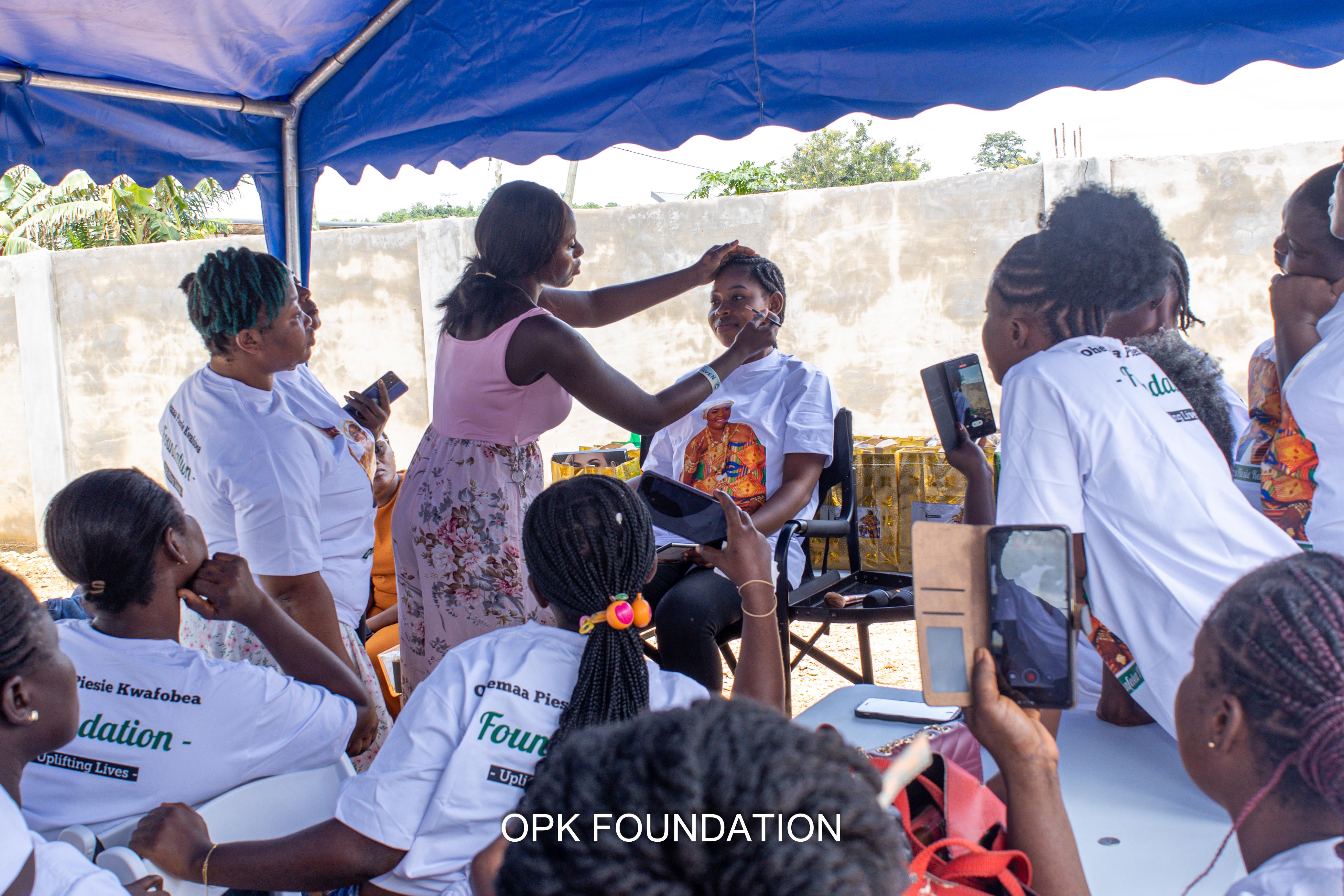
The Professional Makeup Artistry Training Program was delivered between June and July 2025 as part of OPK Foundation's broader commitment to youth and women empowerment through practical skill development. The initiative targeted 50 young women, selected based on interest, potential, and commitment to building sustainable livelihoods. The program was designed to move beyond basic vocational exposure, focusing instead on structured technical competence and industry-relevant professional standards within the beauty and personal care sector.
Training delivery combined theoretical instruction with intensive hands-on practical sessions. Participants were guided through core makeup artistry techniques, including facial preparation, product application, colour theory, and finishing for different client needs and occasions. A strong emphasis was placed on client service excellence—covering professionalism, communication, hygiene standards, and customer experience management. This practical orientation ensured that trainees were not only technically competent but also prepared for real-world client engagement.
Beyond technical skill-building, the program incorporated foundational entrepreneurial training. Participants were introduced to business basics such as pricing services, managing client bookings, sourcing materials, and building a personal brand. This component was critical in shifting the training from employability alone to full economic independence, equipping graduates with the tools needed to establish and sustain their own micro-enterprises within local markets.
At the conclusion of the program, all 50 participants received certificates of completion, formally recognizing their competence and readiness for practice. In addition, a structured mentorship support system was introduced to guide graduates as they transitioned into the market. This included advisory support, informal coaching, and linkage to early client opportunities. The initiative ultimately created a pipeline for sustainable income generation, with a clear focus on dignity, self-reliance, and long-term economic participation for young women within the community.
Academic support for students preparing for final examinations.
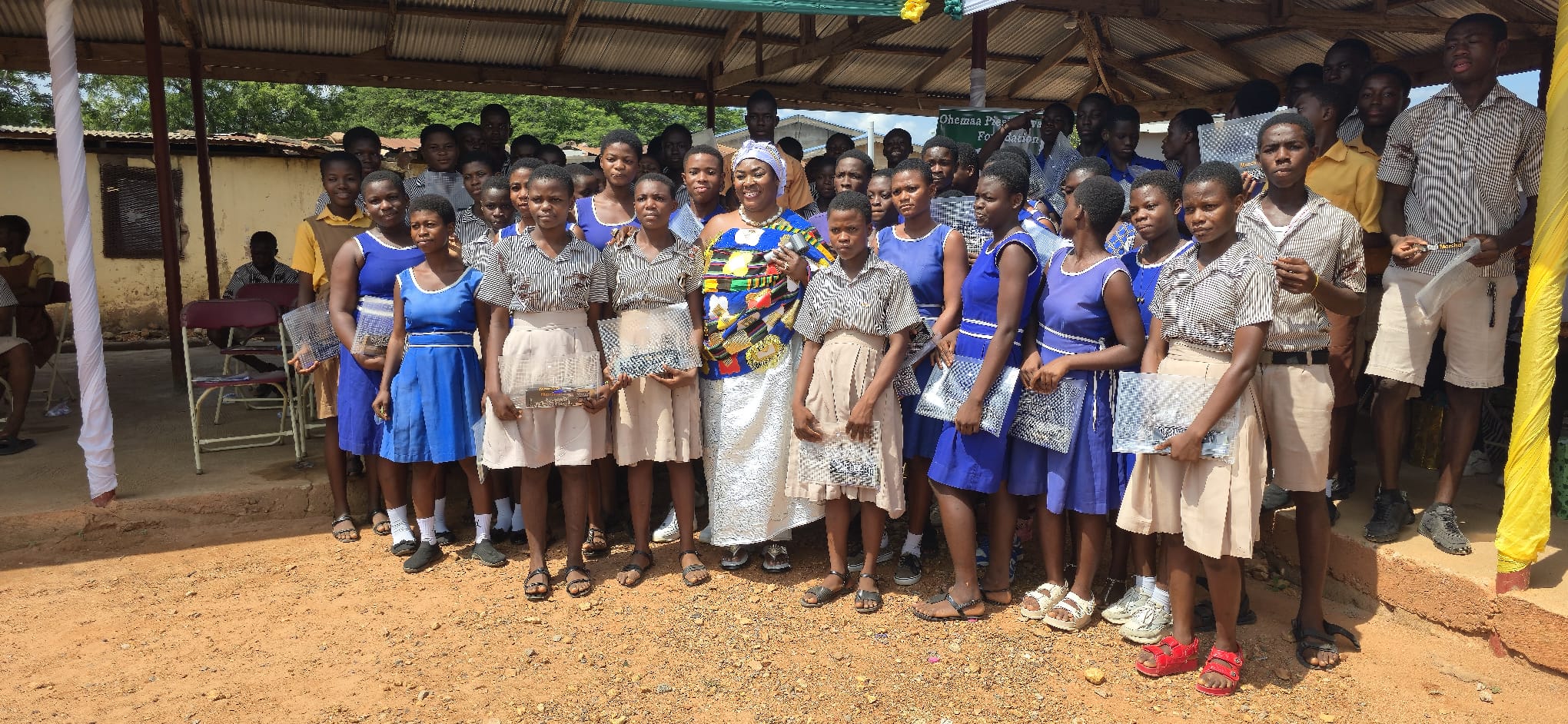
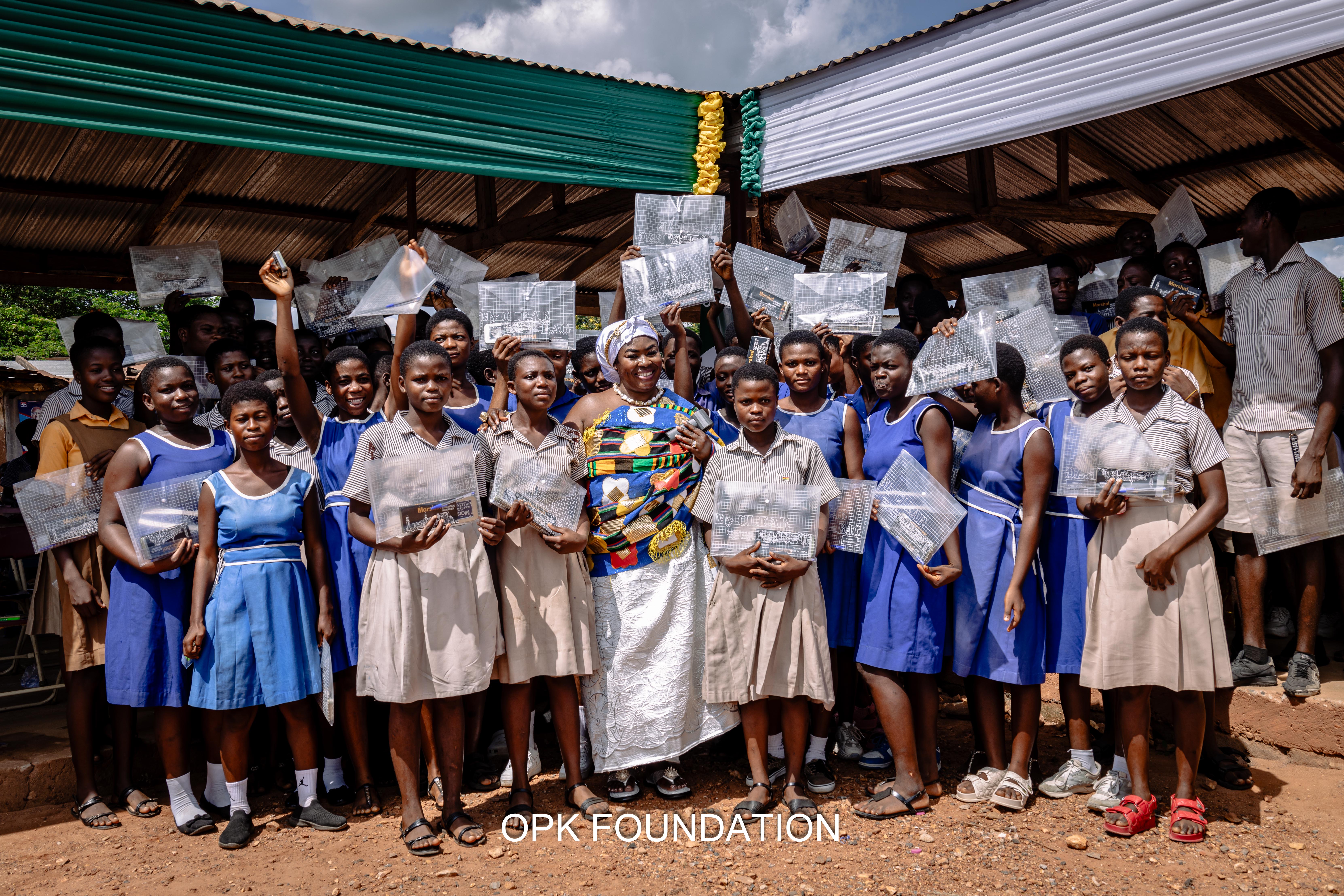
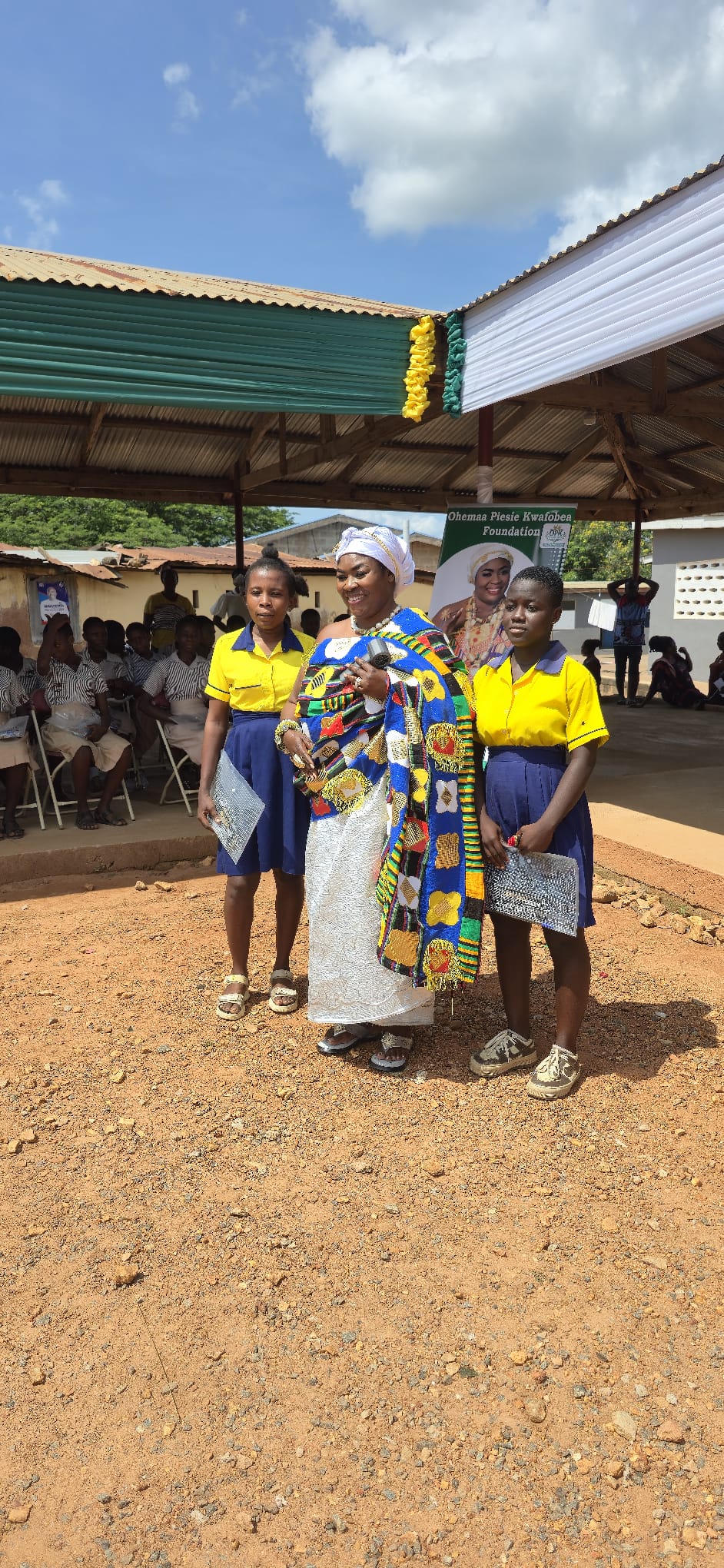
In June 2025, OPK Foundation implemented a targeted educational support initiative aimed at reducing the material burden on students preparing for the Basic Education Certificate Examination (BECE). The intervention focused on learners across multiple schools within the community, particularly those facing constraints in accessing essential academic resources. The objective was straightforward: ensure that no student entered the examination period disadvantaged by lack of basic learning materials.
The program provided structured distribution of essential stationery items required for effective examination preparation. Each student received pens, pencils, rulers, and mathematical sets, carefully assembled to meet the core requirements of their academic engagement. While modest in scope, these materials addressed a critical gap in readiness, enabling students to focus fully on revision and performance rather than logistical or financial limitations.
Beyond the physical distribution of materials, the initiative incorporated a layer of foundational academic encouragement and guidance. Students were engaged with simple motivational reinforcement aimed at strengthening confidence and reducing examination-related anxiety. This approach reflected a recognition that academic success is shaped not only by resources, but also by psychological readiness and supportive reinforcement from the wider community.
The intervention contributed to easing the overall preparation burden for families while fostering a more supportive and equitable learning environment across participating schools. By combining material provision with encouragement, the initiative strengthened student morale during a high-stakes academic period. The June 2025 BECE support effort ultimately reinforced OPK Foundation's commitment to educational equity, ensuring practical assistance translated into meaningful academic confidence and improved readiness for examination outcomes.
Providing essential supplies and academic support to students returning to school.
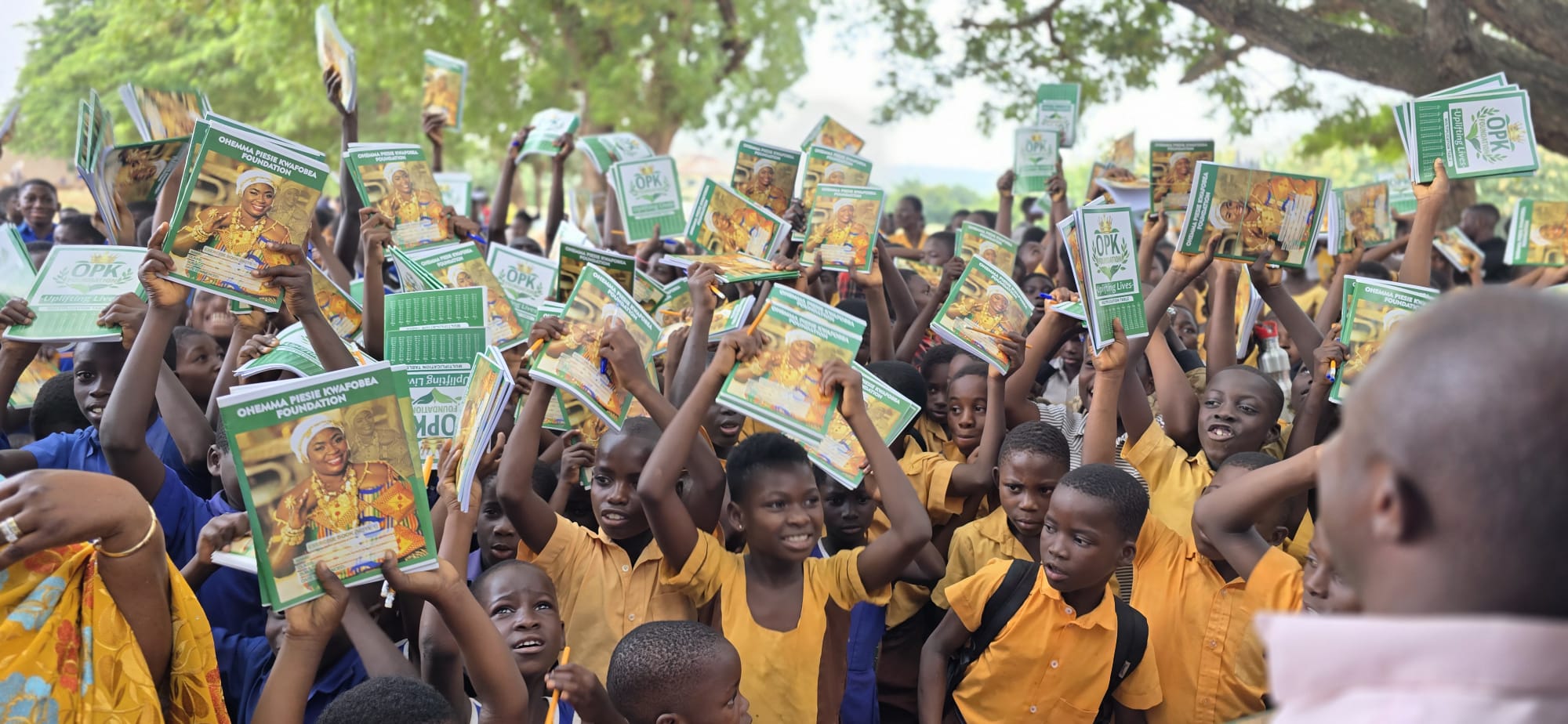
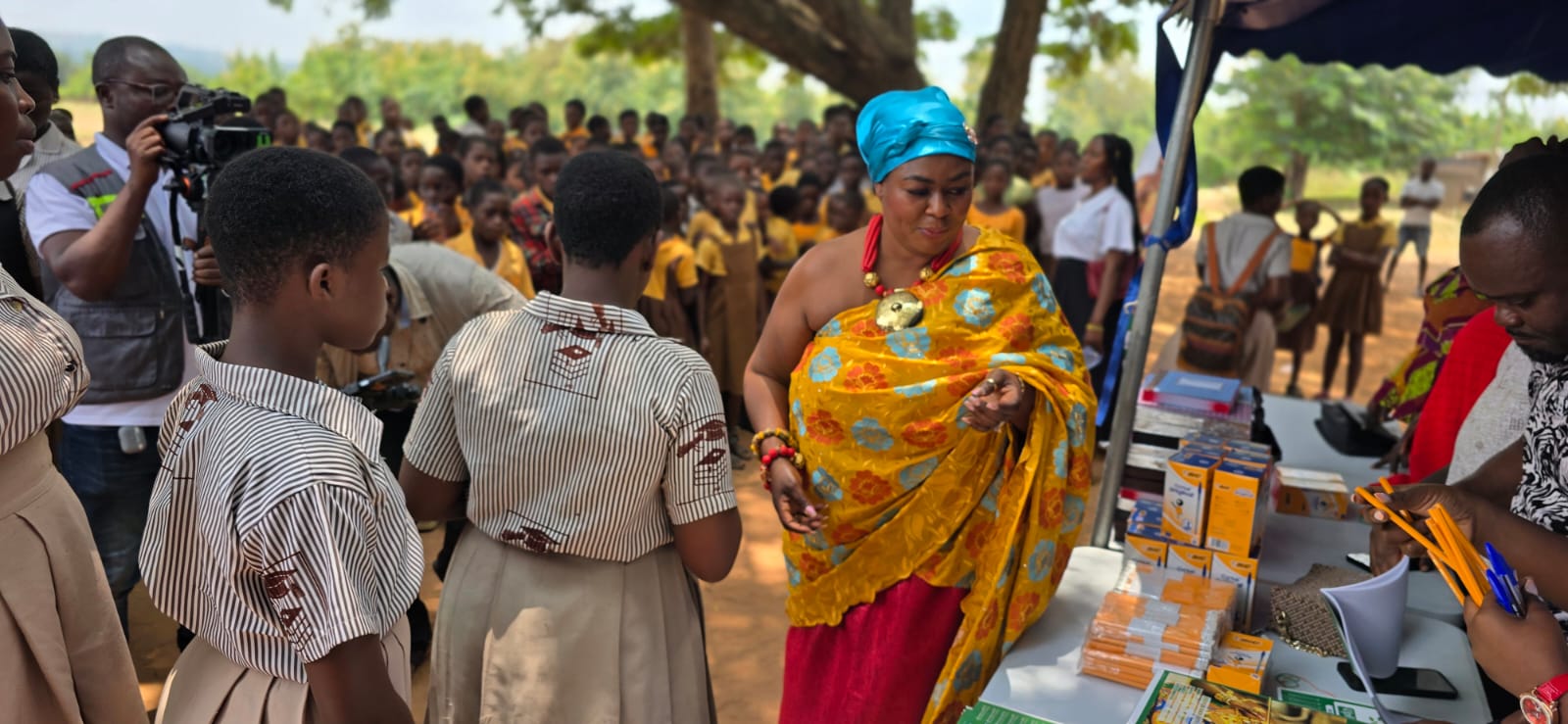
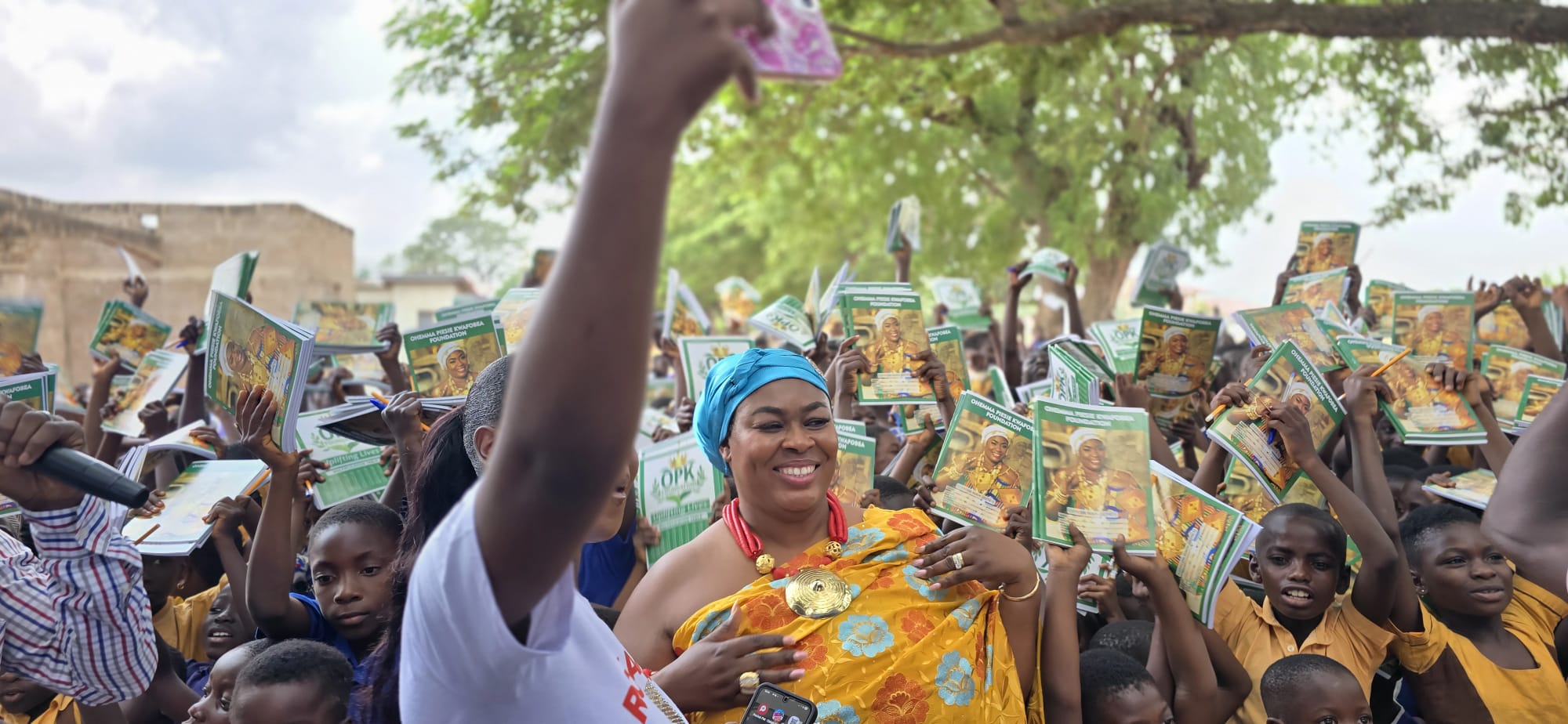
The Back-to-School Support Initiative was implemented in September 2025 as part of OPK Foundation's sustained commitment to improving educational access and reducing structural barriers faced by low-income households. The program targeted over 600 pupils across Apeguso township and surrounding communities, ensuring that learners began the 2025/2026 academic year with the essential tools required for effective classroom participation. The intervention was anchored in the principle that early academic readiness significantly influences long-term educational outcomes.
The initiative focused on the distribution of comprehensive school kits tailored to different academic levels. Pupils received exercise books, pens, pencils, and other essential learning materials required for daily school activities. Older students were additionally provided with writing instruments suited to advanced coursework, ensuring continuity of support across educational stages. This structured provision reduced the immediate financial pressure on families while ensuring students were not disadvantaged at the start of the academic cycle.
A deliberate inclusion approach ensured that educators were also supported within the same intervention framework. Teachers received notebooks, pens, and supplementary classroom essentials to strengthen their instructional capacity and administrative efficiency. This dual-target approach acknowledged the critical role of educators in shaping learning outcomes and reinforced the importance of supporting both sides of the learning environment—students and teachers—within a unified system of educational development.
Overall, the initiative contributed to improved school readiness, strengthened classroom engagement, and reduced material disparities among learners in the participating communities. By equipping both pupils and teachers at the beginning of the academic year, the program helped establish a more stable and supportive learning environment. It also reinforced OPK Foundation's broader mission of fostering educational equity through practical, timely, and community-centered interventions.
Elderly Care, Dignity & Community Support Program
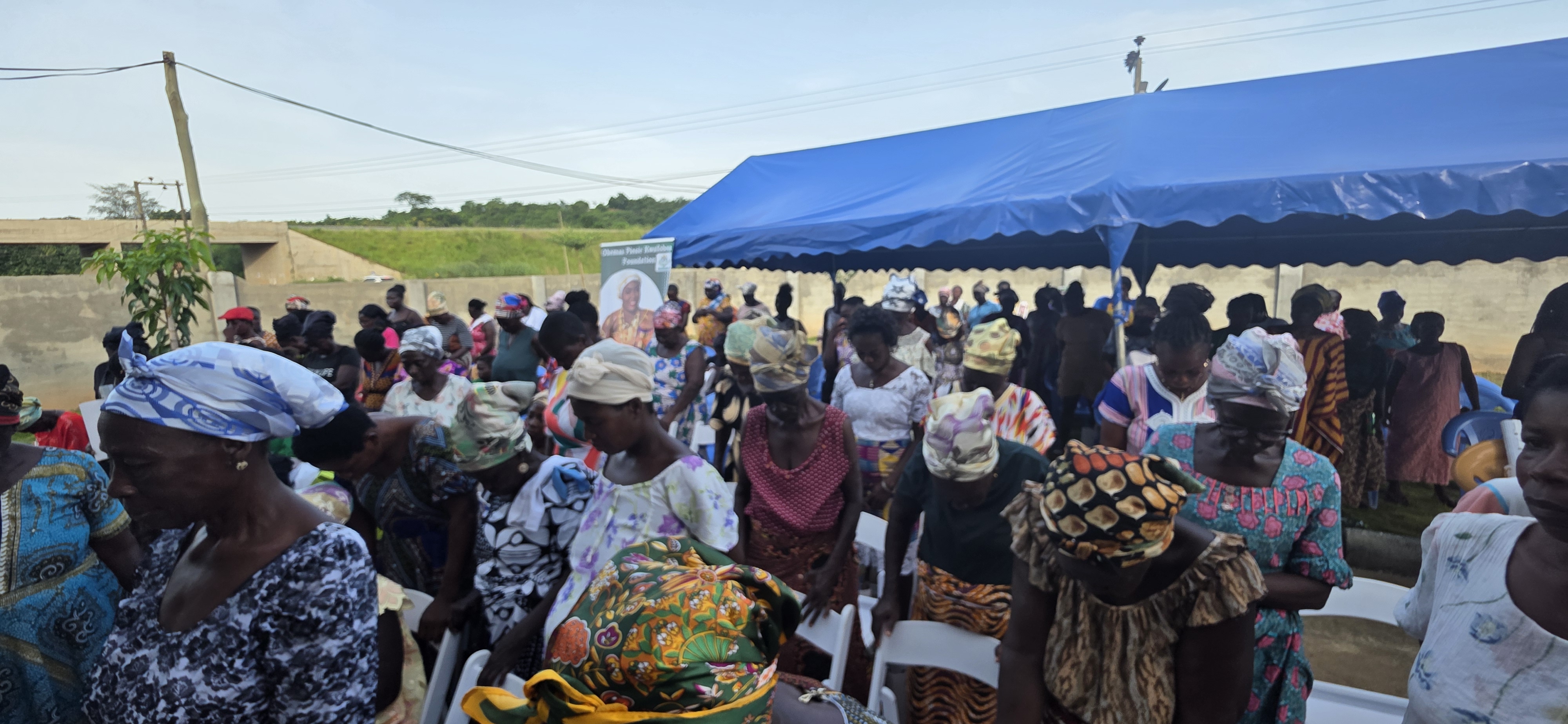
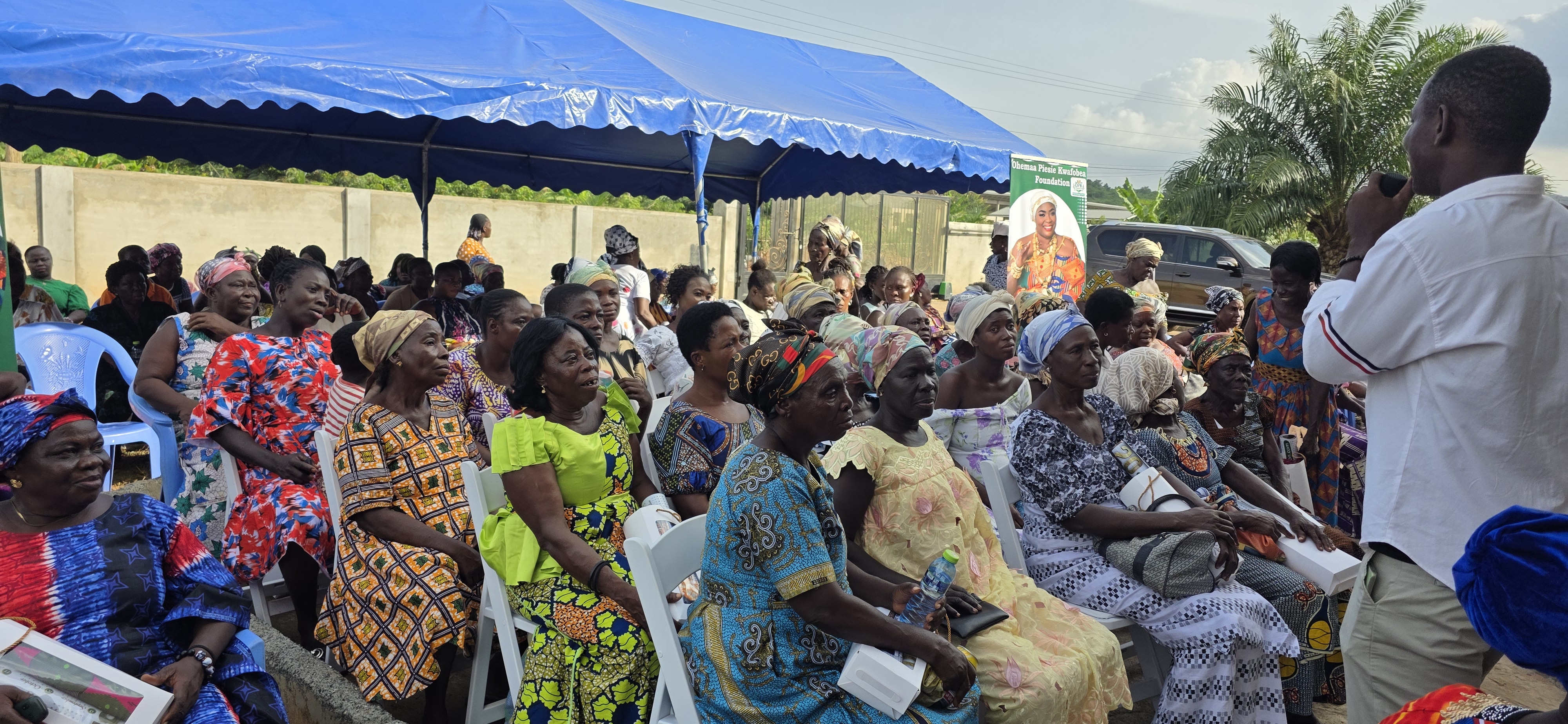
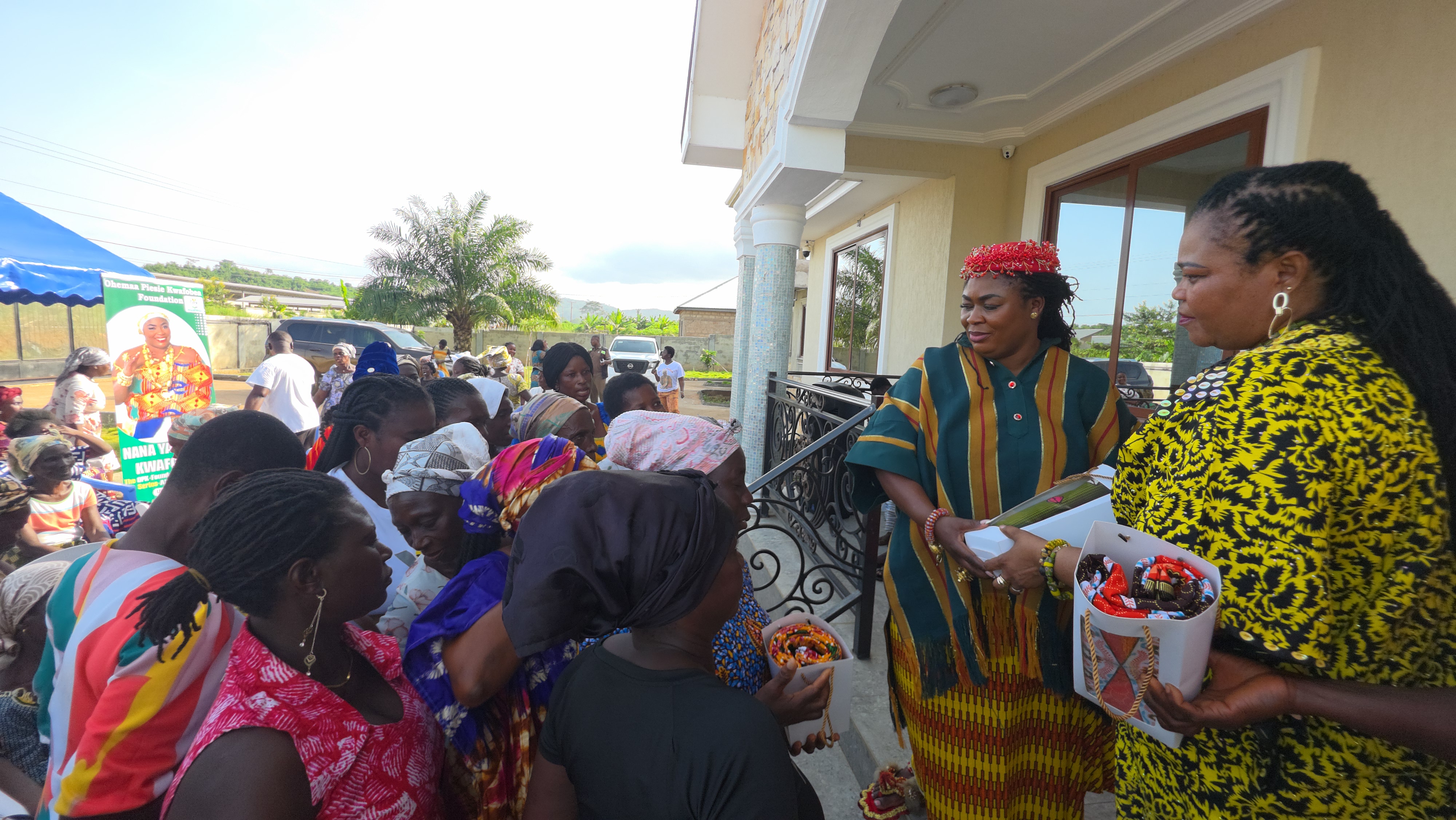
The Elderly Care and Community Support Program was designed as a structured intervention to improve the wellbeing, dignity, and social inclusion of senior citizens within the community. Implemented across key outreach moments in 2025 and 2026, the initiative focused on addressing both material and emotional needs of elderly individuals who often experience vulnerability due to age, limited income, or reduced family support structures. The core objective was to reinforce respect for the elderly as foundational members of the community.
The program delivered direct, personalized support to each beneficiary, ensuring that care was not generalized but responsive to individual needs. Elderly participants received essential food items, clothing, and other basic necessities aimed at improving daily living conditions. Beyond material assistance, emphasis was placed on human connection—engaging beneficiaries with conversation, presence, and recognition of their lived experience. This approach reflected a traditional value system where elder care is rooted in respect, attention, and consistent communal responsibility.
Two key outreach moments defined the implementation cycle. During Mother's Day 2026, elderly women within the community were specially honoured with clothing items and food provisions as a gesture of appreciation and recognition. In addition, a Christmas outreach in the preceding festive season provided food packages to elderly beneficiaries, ensuring they were included in seasonal celebrations and not excluded from communal joy. These interventions reinforced continuity of care rather than one-off assistance.
Overall, the program strengthened intergenerational solidarity by bridging the gap between younger volunteers and elderly residents. It created structured opportunities for engagement, support, and shared dignity within the community fabric. By combining practical relief with symbolic appreciation, the initiative contributed to improved quality of life for senior citizens while reinforcing a culture of respect, gratitude, and collective responsibility across generations.
Real-life examples of how our work makes a difference.
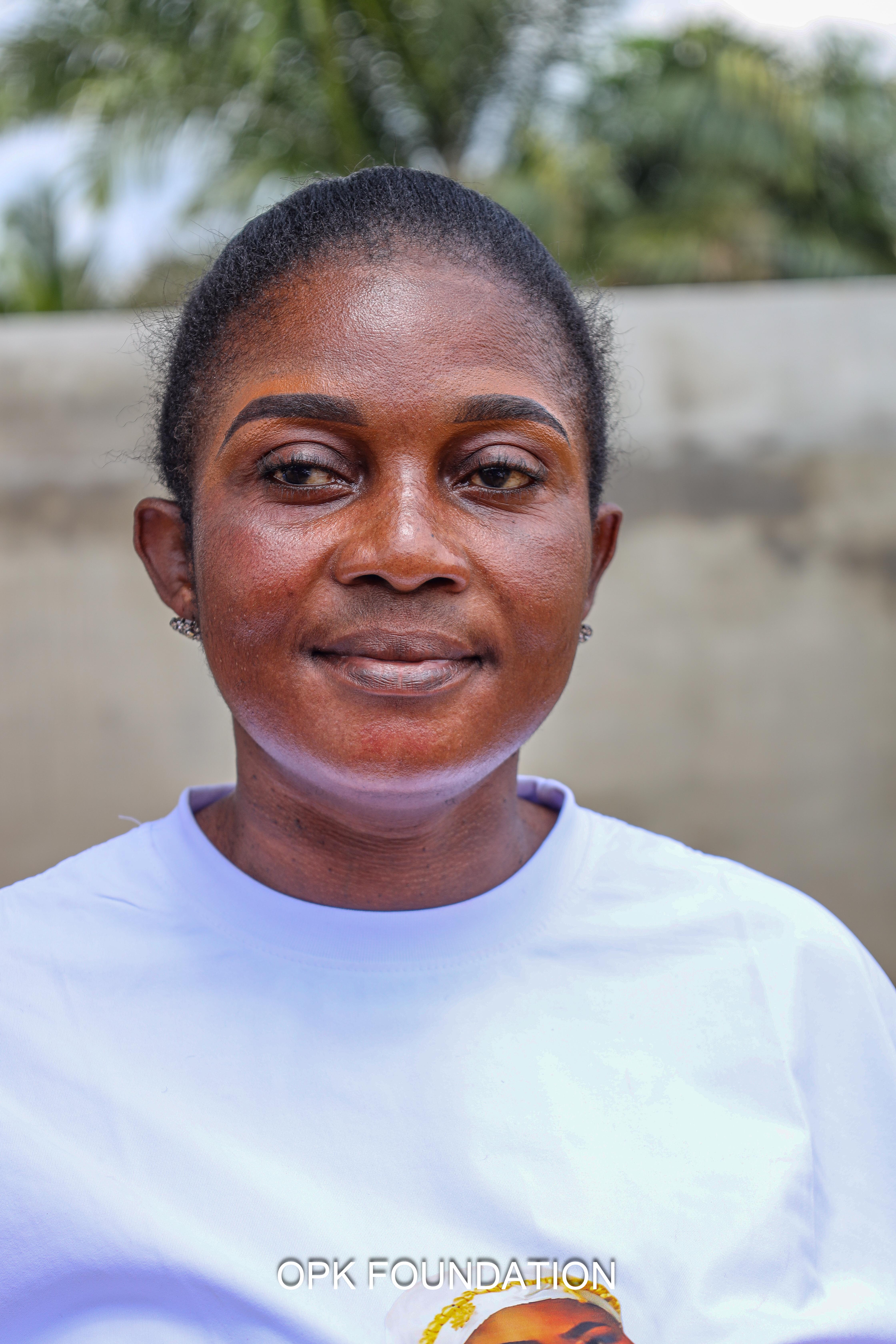
Ama participated in OPK Foundation's 2025 Makeup Artistry Training Program, where she was introduced to both the technical and entrepreneurial aspects of professional makeup services. The program emphasized practical application, allowing her to develop hands-on competence in real client scenarios, alongside structured guidance on how to position herself within the local beauty market.
After completing the program, Ama began offering makeup services on a small but consistent scale. What started as practice sessions gradually evolved into paid work, enabling her to generate supplementary income. This income now plays a meaningful role in supporting her household needs, reducing financial pressure on her family.
Beyond income generation, the training has shifted Ama's outlook on self-reliance. She now approaches her work with greater confidence, treats her service as a structured business, and continues to refine her skills through practice and client feedback. Her progress reflects the intended outcome of the program: transforming technical training into sustainable livelihood pathways for young women.

John's return to education was made possible through structured mentorship and academic support provided within OPK Foundation's education-focused interventions. Prior to this, he faced setbacks that disrupted his learning continuity, limiting his engagement with school and reducing his academic confidence.
Through targeted encouragement and consistent guidance, John was reintroduced into a structured learning environment. Support mechanisms focused on restoring discipline, rebuilding foundational understanding, and encouraging active participation in classroom activities. Over time, he began to regain confidence in his ability to learn and perform.
Today, John is steadily progressing academically, demonstrating improved focus and commitment to his studies. His journey reflects the importance of combining material support with mentorship and emotional reinforcement in restoring educational pathways for vulnerable students.
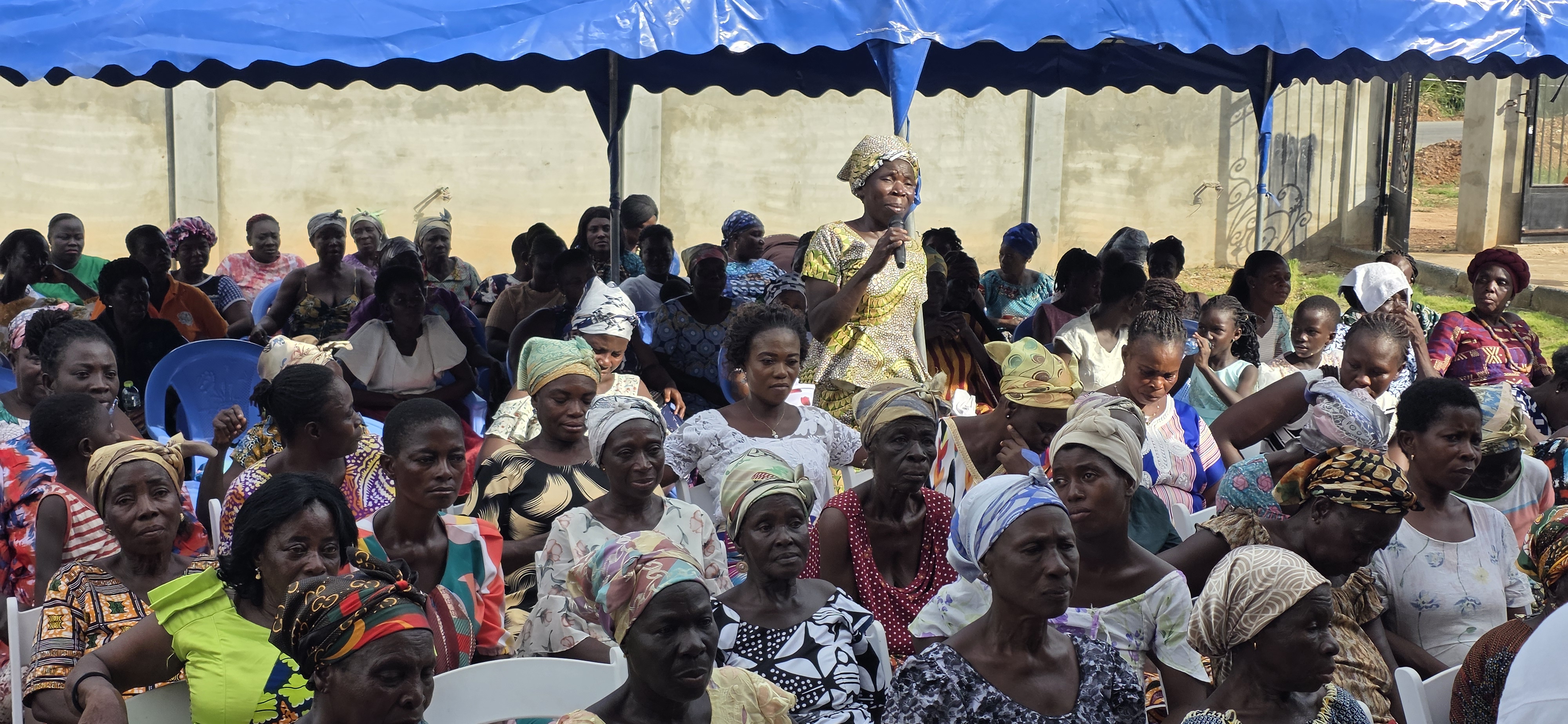
OPK Foundation's elderly outreach programs provided structured support to senior citizens through the distribution of food items, clothing, and essential supplies during key community moments, including festive celebrations and Mother's Day outreach. These interventions were designed not only to address physical needs but also to reinforce social inclusion.
For many elderly beneficiaries, the initiative represented more than material assistance. It served as a public acknowledgment of their value within the community, offering moments of recognition, interaction, and care. The engagement helped reduce feelings of isolation while strengthening their sense of belonging.
By combining practical support with intentional appreciation, the program reinforced a culture of respect for the elderly. It also strengthened intergenerational connection, ensuring that senior members of the community remain visible, valued, and actively included in communal life.
Your support can make a real difference. Join us in empowering communities and creating lasting change through our initiatives for thee Apeguso community. Whether you choose to donate, partner with us, or